top of page

Our Botanicals
Find out more about the botanicals we use in Lytham Gin
What is a botanical?
Botanicals are plants that are valued for their flavour, scent, and medicinal or therapeutic properties.
Botanicals are the ingredients used in gin to give it its unique taste. Sandgrown Spirits use a variety of leaves, fruits, nuts, barks, seeds, roots and flowers to impart a range of flavours to their spirits.

Getting the Balance Right
Botanicals can provide a number of different flavours which can be classified as herbaceous, spicy, citrus, floral or fruity. A good gin should contain elements of several flavour groups the amount of each botanical used is what gives every gin its unique flavours, crafting our recipes takes months of development and tweaking till it is perfect.

Meet The Botanicals

Juniper
Juniper berries are the heart and soul of gin, giving it that unmistakable "ginny" flavor. In fact, the word ‘gin’ comes from the French word for juniper, genièvre. Gin simply wouldn’t be gin without it! Juniper berries are known for their tart, sharp, and piney taste with a hint of citrus, and the best ones come from the Balkans. These aromatic little berries have been used for centuries and are packed with beneficial properties. Want to elevate your G&T? Just add two or three juniper berries for a burst of fresh flavor!

Coriander
Coriander seeds are the second most important botanical in gin, adding complex citrus notes that balance beautifully with juniper. Though often associated with Indian cuisine, in gin it brings a bright, lemony flavor. The key molecule, linalool, is also found in basil, lavender, and orange, giving coriander its aromatic, citrusy profile. While some find coriander tastes "soapy," when balanced correctly in gin, it’s a game changer—perhaps why a G&T pairs so perfectly with a spicy curry!

Angelica
Angelica is the third key ingredient in gin, following juniper and coriander. Known for its musky, earthy scent, angelica root adds a distinctive "rooty" or savory flavor to gin. This versatile plant, used for centuries in traditional medicine, grows across the northern hemisphere. In gin-making, angelica plays an important role by helping to hold and fix the other flavors, ensuring they remain vibrant over time.

Citrus Peels
Citrus notes are essential for balancing the flavors in gin, adding bright, fresh tones that perfectly complement the piney juniper and earthy botanicals. Whether it’s orange, lemon, lime, or satsuma, citrus peels bring a zesty freshness to every sip. Both fresh and dried peels are used in gin-making, but it’s important to avoid the bitter pith. At Sandgrown Spirits, we blend a variety of citrus fruits in our gins to create the perfect balance of flavors.

Grains of Paradise
A West African peppercorn, grains of paradise (or GOP to gin aficionados) bring a little heat to our Original gin. Mellower than black peppercorn, they also add to the lemony citrus notes from coriander and peels.

Rowan
Most noticeable in the autumn due to their proliferation of bright red berries, rowan or mountain ash trees are a common sight. The berries are often thought to be poisonous and although they are not recommended to be eaten raw, it is possible to make jams and wine from them. And of course use as a botanical in gin.
They bring a sort of bitter-sweet fruitiness to our Original, Blooming Gorgeous and Positively Purple gins.

Liquorice
Liquorice is an unusual botanical in that it brings a little spicy heat as well as a sweetness to gin.
It is actually a legume, meaning that it is part of the bean family. It grows mainly in Asia and has been used for thousands of years as a flavouring.
We use the powdered root in our Original Gin, The Navigator’s Navy Strength and Bee’s Knees.
Orris
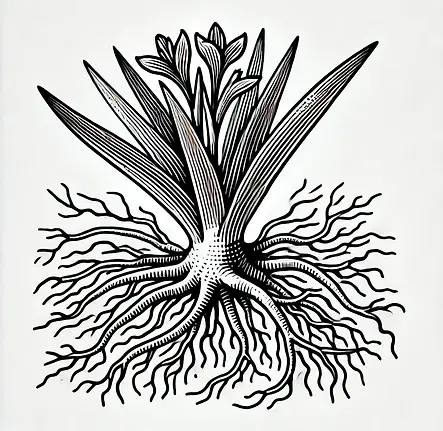
Orris root, derived from irises, brings a subtle, earthy aroma to gin, often compared to clean hay or sawdust. Before use, the rhizomes are aged for about four years, allowing them to develop their unique fragrance. Orris root not only helps to fix the aromas in gin but has also been used in potpourri and even ancient folklore, where it was believed to ward off evil spirits and act as a love potion. This magical botanical adds depth and character to the gin’s overall flavor profile.

Samphire
Not many gins use marsh samphire as a botanical. In fact, we believe we were the first to do so! Also known as glasswort, this plant grows in many coastal places around the world and is more commonly eaten as a vegetable. It’s delicious with fish.
The samphire used in Lytham’s Original Gin is picked on the beach near Lytham’s iconic windmill between July and September each year. We are really careful not to disturb the roots of this delicate plant. In horticulture it is known as a ‘cut-and-come-again’ plant as it can be harvested many times throughout the season. We like to leave three to four weeks between our foraging expeditions.
We think contribution of samphire to the flavour is minimal, although some reviewers have said it brings a taste of fresh sea-air to the gin. But we do think that samphire is responsible for the deliciously silky smoothness and the lingering flavours which leave you wanting more!
bottom of page